As Amazon Associates, we earn from qualifying purchases. This means we may receive a small commission at no extra cost to you if you click through and make a purchase.
| Spec | 6 Qt Tilt-Head Stand Mixer | Wonderful Kitchen 5.3 Qt Tilt-Head Mixer | Koolatron Kenmore Elite 6-Qt Bowl-Lift Mixer |
|---|---|---|---|
| Bowl Capacity | 6 Quart | 5.3 qt | 5 & 6 Qt |
| Mixer Design | Tilt-head | Tilt-head | Bowl-Lift |
| Speed Settings | 12 | 12 | 10 |
| Motor Wattage | 600 W | – | – |
| Bowl Material | Stainless steel | – | Stainless steel |
| Housing Material | – | Metal | Metal |
| Included Attachments | Dough hook, flat beater, whisk | Flat beater, dough hook, balloon whisk | Flat beater, wire whisk, dough hook |
| Design | Tilt-Head | Tilt-Head | Bowl-Lift |
| Use | Dough | Baking | Baking |
| Size | 6 Quarts | Medium | 6 Quarts |
| Form Factor | – | – | Countertop |
| Dimensions | 14.5 × 9.4 × 17.1 inches | 8 × 3 × 6 inches | 18.6 × 13.5 × 16.5 inches |
| Weight | – | – | 26.7 pounds |
| Color | White Icing | Porcini Taupe | Metallic Grey |
| Model | 001 | 41241234 | KKESM600M-AZ 2 |
As an Amazon Associate we earn from qualifying purchases. Links on this page are affiliate links.
Understanding Mixer Size Specs
When you look at stand mixers, the size explained helps you choose the right tool for your kitchen. This spec refers to the capacity of the mixing bowl. It determines how much dough or batter the machine can handle at once. You will see labels like Small, Medium, Large, or Extra Large on listing pages. These terms give you a quick idea of the mixer's scale.
The most common specific measurement is six quarts. This size fits most home bakers. It handles a double batch of cookies or a loaf of bread. Some models offer ten-cup capacities. This metric is often used for food processors or smaller attachments. It indicates a slightly smaller volume than a standard quart measurement. Extra large options exist for serious bakers. They allow you to mix large quantities of heavy dough. Small mixers are compact. They save counter space but have limited capacity.
You should care about this spec because it defines what you can make in one go. If you bake for a family, a medium or large bowl is practical. If you only make occasional treats, a small mixer suffices. The physical footprint of the mixer also changes with size. Larger bowls require more storage space. They also need more power to stir thick mixtures. Check the exact volume in quarts or cups. Do not rely only on the size label. One brand's large might be another brand's medium. Knowing the exact volume helps you plan your recipes. It ensures you do not exceed the machine's limits. This prevents motor strain and uneven mixing. Choose the size that matches your typical baking volume. This simple check saves you from buying a machine that is too small or too big for your needs.
Stand Mixer Size Options Compared
Small
Small stand mixers prioritize compact footprints over capacity. They fit well in kitchens with limited counter space. You can place them easily in cabinets when not in use. However, you must accept lower mixing volumes. These units are less suitable for large batches of dough or heavy batters. They work best for occasional bakers or small households. If you frequently make multiple loaves or large cakes, a small mixer may struggle. It is a practical choice for those who value storage flexibility above all else. The trade-off is convenience for capacity.
Medium
Medium mixers offer a balance between space and utility. They handle standard home baking tasks without dominating your counter. This size suits everyday needs like cookie dough or cake batter. You get enough capacity for most recipes without excessive bulk. The dimensions remain manageable for storage. This category often includes models like the Wonderful Kitchen 5.3 Qt Tilt-Head Mixer. It provides versatile speed settings for standard needs. You avoid the heaviness of larger units while retaining sufficient power. It is a safe middle ground for most home kitchens. You do not sacrifice too much performance for a smaller footprint.
6 Quarts
Six-quart bowls are the standard for serious home baking. They handle family-sized batches with ease. You can mix large amounts of dough for bread or cookies in one go. This capacity reduces the need for multiple batches. The 6 Qt Tilt-Head Stand Mixer is a prime example. It balances power and ease of use for everyday tasks. You get versatility for a wide range of recipes. The bowl size accommodates heavy ingredients without straining the motor. It is ideal for those who bake regularly for families. You gain significant utility without moving to the largest available options. It is the most popular choice for dedicated bakers.
Large
Large stand mixers are built for high-volume baking. They feature robust motors and substantial bowls. You can tackle heavy doughs and large quantities efficiently. These units often include stable bases to prevent walking during use. You benefit from the ability to mix large batches without overflow. However, they require significant counter space. Storage becomes more difficult due to their weight and size. They are best for enthusiasts who bake frequently. You pay for capacity and stability. If you have the space and the need, a large mixer serves you well. Otherwise, it may become a cumbersome fixture in your kitchen.
10-Cup
Ten-cup capacity offers a specific volume sweet spot. It is larger than standard quart-based measurements. This size handles substantial batches for gatherings. You can mix enough batter for large cakes or multiple loaves. It bridges the gap between standard and extra-large units. You get ample room for expansion without extreme bulk. This option suits those who host often or bake for groups. You avoid the limitations of smaller bowls. The trade-off is still some counter space usage. It is a practical choice for intermediate to advanced bakers. You gain flexibility for larger projects while maintaining reasonable manageability. It is a versatile capacity for many kitchen tasks.
Extra Large
Extra large mixers are designed for professional or near-professional use. They offer maximum capacity for the largest batches. You can mix huge volumes of dough or batter at once. These units often feature powerful motors and heavy-duty construction. They are essential for serious bakers or small businesses. You benefit from efficiency and scale. However, they demand significant kitchen space. They are heavy and difficult to move. Storage is nearly impossible for most home kitchens. You must have a dedicated spot for this appliance. It is only worth it if you regularly need this level of capacity. Otherwise, it is overkill for typical home use.
Is Size Worth Your Money
Who needs it
You need this spec if you regularly bake large batches. A six-quart bowl handles stiff bread doughs that smaller units struggle with. It also accommodates full cake layers for celebrations. If you meal prep or cook for a large family, the extra capacity saves time. You avoid mixing in multiple batches. The medium and extra-large options provide the necessary volume. These sizes ensure consistent results for heavy tasks. The ten-cup capacity is ideal for food processing tasks beyond simple mixing. You benefit from the power and stability required for dense ingredients. This spec directly impacts your ability to complete recipes efficiently. If you often run into capacity limits, upgrading to a larger size is a practical choice. It prevents motor strain and ensures thorough mixing. This spec is critical for serious home bakers who prioritize volume and versatility over counter space savings.
Who can skip it
You can ignore this spec if you bake for one or two people. Small stand mixers are sufficient for occasional cookies or small batches. You prioritize counter space over volume in this case. The compact footprint allows for easy storage in cabinets. You do not need the power for heavy doughs. Focus on motor strength and speed settings instead. These features matter more for light tasks. You save space without sacrificing quality for simple recipes. The smaller units are lighter and easier to move. They fit well in small kitchens or apartments. You avoid the bulk of larger models. This approach suits casual bakers who value convenience. You do not need to manage a large bowl. Your baking habits do not require high capacity. Prioritize ease of use and storage efficiency. This spec is unnecessary for your specific needs. You can achieve good results with minimal equipment. The savings in space outweigh the benefits of extra volume.
Mixer Size Glossary
Bowl Capacity
The volume of the mixing bowl, measured in quarts. Common sizes are three, five, or six quarts, determining how much batter you can mix at once.
Counter Footprint
The physical space the mixer occupies on your countertop. Larger bowls usually mean a wider base, so measure your available kitchen space before buying.
Speed Settings
The number of distinct mixing speeds available. More settings allow precise control, from a slow stir for dry ingredients to a high whisk for egg whites.
Attachments
Included tools like flat beaters, wire whisks, or dough hooks. These specialized heads handle different tasks, such as kneading heavy bread dough or whipping cream.
Design Type
The structural style, typically a tilt-head or bowl-lift model. Tilt-heads offer easier access, while bowl-lifts provide stability for heavier loads and larger capacities.
Color Options
The available finishes, such as stainless steel, matte black, or pastel shades. This is a cosmetic choice that allows the mixer to match your kitchen decor.
| # | Product | Best for | Price |
|---|---|---|---|
| 1 | 6 Qt Tilt-Head Stand Mixer | Family-sized baking and everyday mixing tasks | |
| 2 | Wonderful Kitchen 5.3 Qt Tilt-Head Mixer | standard home baking tasks | |
| 3 | Koolatron Kenmore Elite 6-Qt Bowl-Lift Mixer | Bakers needing capacity and stability |

6 Qt Tilt-Head Stand Mixer
Best for: Family-sized baking and everyday mixing tasks
- Size
- 6 Quarts
- Bowl Capacity
- 6 Quart
- Mixer Design
- Tilt-head
- Speed Settings
- 12
- Motor Wattage
- 600 W
- Bowl Material
- Stainless steel
This 6-quart stand mixer features a 600-watt motor and 12 speed settings. The stainless steel bowl handles large batches of dough or batter. Its tilt-head design allows easy access to attachments. You get a whisk, flat beater, and dough hook included. It suits home bakers who need reliable mixing for family-sized meals and regular baking projects.
- 600-watt motor provides consistent power for dense doughs
- 12-speed settings offer precise control for various textures
- 6-quart stainless steel bowl accommodates large batches
- Tilt-head design simplifies ingredient addition and cleaning
- 600-watt motor is less powerful than professional-grade alternatives
- 6-quart capacity is smaller than 10-cup or extra-large options
- Tilt-head mechanism may feel less stable for very heavy loads
- You need a mid-size mixer for family-sized baking
- You prefer the convenience of a tilt-head design
- You want 12 speed settings for varied recipes
- You require a 10-cup or larger bowl capacity
- You need a bowl-lift design for heavy-duty tasks
- You seek a motor with higher wattage than 600W
Verdict: 6 Quart Tilt-Head Stand Mixer fits home bakers who need a versatile, mid-capacity mixer for everyday tasks. It balances power and ease of use for family-sized batches.
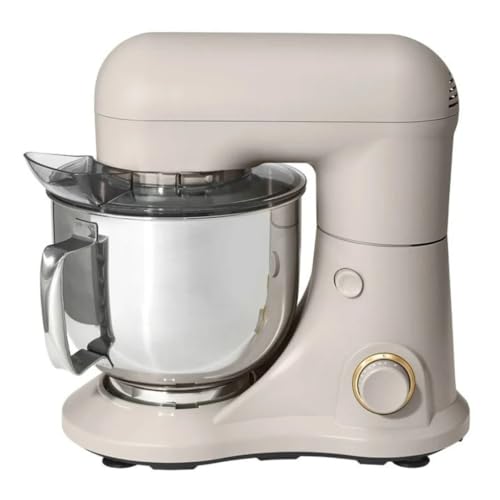
Wonderful Kitchen 5.3 Qt Tilt-Head Mixer
Best for: standard home baking tasks
- Size
- Medium
- Bowl Capacity
- 5.3 qt
- Mixer Design
- Tilt-head
- Speed Settings
- 12
- Housing Material
- Metal
- Included Attachments
- Flat beater, dough hook, balloon whisk
This medium stand mixer features a 5.3-quart bowl and 12 speed settings. The tilt-head design allows easy access for adding ingredients or cleaning. Its metal housing provides stability during operation. You get a flat beater, dough hook, and whisk included. It suits bakers who need reliable performance for dough and batter without the bulk of a larger unit.
- 5.3-quart bowl capacity for batch cooking
- 12 speed settings for precision control
- Tilt-head design for easy access
- Metal construction for stability
- 5.3-quart capacity is smaller than the 6-quart option
- Tilt-head design holds less weight than bowl-lift models
- 3-inch width and 6-inch height dimensions are unusually compact
- You need a medium-sized mixer for everyday baking tasks
- You prefer the convenience of a tilt-head mechanism
- You want 12 speed settings for various textures
- You require a 6-quart or larger bowl capacity
- You need a professional bowl-lift design for heavy dough
- You prefer a larger footprint for stability
Verdict: Wonderful Kitchen 5.3 Qt Tilt-Head Mixer fits home bakers who value compact dimensions and versatile speed settings for standard baking needs.

Koolatron Kenmore Elite 6-Qt Bowl-Lift Mixer
Best for: Bakers needing capacity and stability
- Size
- 6 Quarts
- Bowl Capacity
- 5 & 6 Qt
- Mixer Design
- Bowl-Lift
- Speed Settings
- 10
- Bowl Material
- Stainless steel
- Housing Material
- Metal
This Koolatron stand mixer uses a bowl-lift design for stability. It includes two stainless steel bowls, holding 5 and 6 quarts. The metal housing supports a heavy-duty build. You get 10 speed settings for precise control. It weighs 26.7 pounds and measures 18.6 inches long. This setup suits bakers who need capacity and a sturdy base for thick doughs.
- Bowl-lift design for stability
- Includes 5 and 6 Qt stainless steel bowls
- 10-speed digital control
- Heavy-duty metal housing
- 5-year manufacturer warranty
- Heavier at 26.7 pounds
- Fewer speed settings than competitors
- Larger footprint at 18.6 inches long
- You need to mix large batches of dough
- You prefer a stable bowl-lift mechanism
- You want included stainless steel bowls
- You need more than 10 speed settings
- You have limited counter space
- You prefer a lighter, tilt-head model
Verdict: Koolatron 6 Qt Bowl-Lift Mixer offers a stable base and dual bowls for serious baking. It fits users who prioritize capacity and sturdiness over compact size or high speed counts.
Specifications side by side
Frequently asked questions
Does a 6-quart mixer fit on a standard counter?
Yes, but you must check the exact dimensions. The top-rated 6 Qt Tilt-Head model measures 9.4 inches wide and 14.5 inches long. The Koolatron 6-Qt Bowl-Lift version is larger at 13.5 inches wide and 18.6 inches long. Ensure your workspace accommodates these footprints before purchasing.
What is the difference between tilt-head and bowl-lift designs?
The tilt-head design allows the mixer head to swing back for easy bowl access. The bowl-lift design uses a lever to raise the bowl for greater stability. Both styles often include a whisk, flat beater, and dough hook. Choose tilt-head for convenience or bowl-lift for heavy doughs.
How heavy is a typical 6-quart stand mixer?
Weight varies by model and construction. The Koolatron 6-Qt Bowl-Lift Mixer weighs 26.7 pounds. Heavier units provide better stability during mixing but are harder to move. Lighter models may shift on the counter if not secured. Check the weight spec if you plan to store the unit frequently.
Can a medium-sized mixer handle bread dough?
Some medium models can, but capacity limits batch size. The Wonderful Kitchen 5.3 Qt mixer is rated for standard baking tasks. It may struggle with very stiff or large quantities of dough. For regular family-sized bread batches, a 6-quart capacity is generally more reliable and efficient.
What attachments come with a standard stand mixer?
Most models include three core attachments: a whisk, a flat beater, and a dough hook. These tools cover whipping, general mixing, and kneading. Verify the included list in the product data. Some premium models may offer additional tools, but the basic trio is standard across most sizes.
Is a 6-quart bowl enough for a large family?
A 6-quart bowl is ideal for family-sized baking. It handles everyday mixing tasks and larger batches efficiently. The top-rated model fits home bakers needing versatility. It balances power and capacity well. If you rarely bake more than two loaves at once, this size is sufficient.


