As Amazon Associates, we earn from qualifying purchases. This means we may receive a small commission at no extra cost to you if you click through and make a purchase.
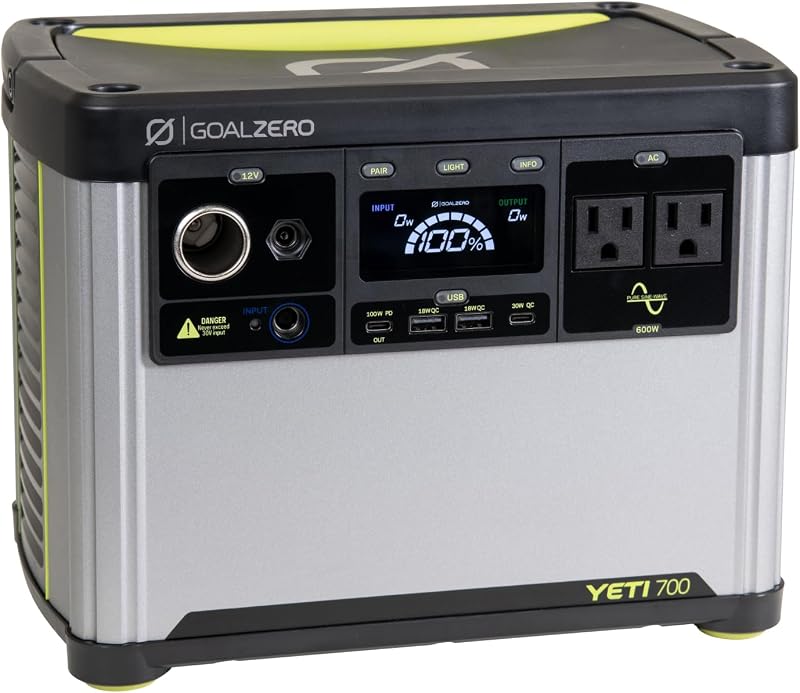
Outdoor content creators, commercial videographers, and landscape photographers frequently contend with the practical reality of energy depletion in remote field environments. When working hours away from municipal infrastructure, maintaining charged camera batteries, drone packs, field monitors, and production lighting becomes an urgent logistical puzzle. Exposing sensitive portable electronic hubs to dusty open terrain, damp morning grass, or unpredictable mountain weather presents genuine hazards for standard indoor power equipment. The Goal Zero Yeti 700 resolves these field challenges by combining durable lithium iron phosphate battery architecture with certified weather-resistant engineering designed for rigorous off-grid deployment.
Our research into the technical specifications and operational capabilities shows that this mobile power hub delivers an exceptional balance of structural resilience and electrical stability. Equipped with a 677-watt-hour capacity, 4,000-cycle battery lifespan, and formal IPX4 splash protection, it establishes a reliable foundation for creators who cannot afford production downtime in the backcountry.
Quick Verdict
The Goal Zero Yeti 700 stands out as a purpose-built field generator that prioritizes environmental survivability without sacrificing rapid turnaround performance. Although its twin AC receptacle configuration requires thoughtful plug management for multi-device workstations, its rapid two-hour replenishment speed and robust particulate protection make it an outstanding power core for outdoor imaging workflows.
- Resilient LiFePO4 battery pack providing over 4,000 cycles for more than a decade of daily operation
- Rugged chassis certified for IPX4 water resistance and rigorous particulate ingress protection
- High-speed AC replenishment mode achieving zero to 100 percent battery charging in about two hours
- Sustained 600-watt pure sine wave AC output with a 1,000-watt surge threshold to start motorized gear
Goal Zero Yeti 700 Features Explained
Upgraded LiFePO4 Battery Chemistry
The internal architecture of the Goal Zero Yeti 700 LiFePO4 power plant represents a major technological leap forward from older power pack configurations. Traditional lithium-ion batteries often experience significant cell degradation after roughly 500 charge cycles, restricting their practical operational life to just a few years of regular field production. In contrast, the advanced lithium iron phosphate chemistry inside this unit is rated for more than 4,000 charging cycles while maintaining safe electrical integrity. According to Goal Zero, this equates to over ten years of continuous daily use, making it an enduring asset for working professionals who live on the road.
Beyond extended service life, this upgraded battery formulation delivers notable thermal stability when operating under harsh environmental conditions. The internal battery management system continuously monitors individual cell voltages and thermal states to ensure stable energy delivery during intensive creative sessions. While stationary heavy-duty power solutions like the power station anker solix serve basecamp charging hubs requiring higher inverter thresholds, the Yeti 700 packages this cutting-edge cell longevity into a manageable, highly portable form factor suitable for mobile field crews.
Rugged Chassis and IPX4 Weather Resistance
Environmental vulnerability is one of the leading causes of power station failure during outdoor video productions. The Goal Zero Yeti 700 IPX4 rating provides tested water resistance against direct liquid splashes from any angle, allowing operators to sustain equipment recharging during sudden rain squalls, damp coastal mist, or heavy morning condensation. Furthermore, the unit passes specialized particulate testing that seals critical internal inverter components against blowing dust, beach sand, and trail grit that routinely destroy lesser generator units.
Structural reliability is further verified by compliance with UL2743 safety requirements, confirming that the enclosure and electrical circuitry can endure extreme temperatures, mechanical shocks, and rough transport across difficult backcountry terrain. The reinforced exterior casing protects sensitive components whether the station is sitting in wet soil beside a tripod or strapped into the open bed of an overland rig. For mobile creators who operate in wild landscapes, this resilient build quality eliminates the stress of shielding your power hub with makeshift tarps.
Versatile Inverter Output and Surge Capacity
The Yeti 700 portable power station features a 600-watt continuous AC pure sine wave inverter capable of managing 1,000-watt starting surges, alongside an official 677-watt running wattage rating. This inverter configuration delivers clean 120V power at 60Hz, matching the electrical precision necessary to operate sensitive digital cinema cameras, motorized gimbals, broadcast monitors, and studio laptops without harmonic distortion. When powering location basecamps or lifestyle campsites, it easily runs high-draw equipment such as Alta portable fridges, power tools, and pellet grills.
The 1,000-watt surge ceiling is particularly valuable when powering tools and refrigeration appliances that produce brief initial current spikes upon startup. While some content creators explore utility inverter alternatives such as the ryobi 18v 1800-watt portable battery power station inverter generator for high-wattage power tools, the Yeti 700 distinguishes itself through its super quiet, all-electric operation. Because the inverter functions without loud combustion engine clatter, sound technicians and field recordists can keep audio gear powered directly on set without contaminating microphone audio tracks.
Rapid High-Speed AC Charging Mode
Recharge efficiency is critical when preparing for multi-day expeditions with limited time between shooting locations. Addressing this operational demand, the Yeti 700 recharge time drops to approximately two hours from a standard wall outlet when switched into its dedicated high-speed charging mode. Videographers returning from a dawn shoot can plug the station into an AC outlet while offloading footage and packing gear, achieving a 100 percent battery charge before heading back out for evening golden-hour filming.
The unit achieves this rapid turnaround through an optimized internal charging protocol that safely manages current intake without triggering thermal throttling. This intelligent charging behavior preserves overall Goal Zero Yeti battery life across thousands of duty cycles, giving field operators the confidence to rapidly charge the station whenever temporary grid power becomes accessible.
Off-Grid Renewable Solar Generator Capabilities
When productions venture far beyond conventional electrical grids, Goal Zero Yeti 700 solar charging turns the unit into an autonomous, self-sustaining renewable generator. The integrated solar input port connects to compatible external solar panels, allowing field teams to harvest sunlight directly and keep the 677Wh battery reservoir replenished indefinitely. Because the station releases zero toxic emissions and operates virtually silently, creators can place it inside production vehicles or camping tents without safety hazards.
For ultralight packing configurations, videographers might look at miniature utility companions like the bluetti 100 mini to manage small pocket devices, but the Yeti 700 delivers comprehensive power generation capable of replenishing high-draw flight batteries, studio lights, and editing laptops repeatedly under sunny skies. This renewable capacity ensures uninterrupted storytelling in the world’s most remote locations.
Specs
| Feature or Specification | Manufacturer Detail |
|---|---|
| Battery Energy Capacity | 677 Watt-hours |
| Battery Cell Chemistry | LiFePO4 (4,000+ charge cycles to 80% capacity) |
| Continuous AC Inverter Output | 600 Watts (677 Watts running wattage) |
| Maximum Surge Wattage | 1000 Watts starting surge |
| AC Voltage & Frequency | 120 Volts, 60 Hertz |
| Total AC Receptacles | 2 Power outlets |
| Weather & Ingress Resistance | IPX4 water-resistant and particulate tested |
| Safety Standards Certification | UL2743 compliance tested |
| AC Wall Recharge Time | Approximately 2 hours via high-speed mode |
| Included Box Components | Power cord, User manual |
Figures quoted from the product listing. Nothing here was measured.
Goal Zero Yeti 700 Pros and Cons
Pros
- Durable LiFePO4 chemistry with 4,000+ cycle lifespan
- IPX4 water-resistant and particulate-tested chassis
- Fast AC recharge in about 2 hours
- 1000-watt surge handling for motorized tools
- UL2743 certified with extreme temperature tolerance
Cons
- Limited to two AC output receptacles
- Solar panels not included in the box
- Single-hour runtime at maximum continuous output
Best Use Cases
- Remote video production stations recharging cinema camera packs, external monitors, and continuous LED field lights throughout long shooting days.
- Drone surveying and aerial cinematography operations requiring continuous flight battery cycling far from vehicle charging ports.
- Overlanding trips and tailgating setups powering Alta portable fridges, pellet grills, and outdoor camp lighting simultaneously.
- Field audio recording workstations that require clean, super quiet electrical power without the background roar of gas generators.
Before You Buy
Before purchasing this battery station, evaluate the exact port configuration your production gear demands. The Yeti 700 offers two 120V AC wall outlets, which is sufficient for charging a laptop power brick and a multi-battery charging hub concurrently, but larger production crews operating multiple lights and monitors may require a heavy-duty power strip to split outlets. Additionally, while the listing specifies that the unit functions seamlessly with solar inputs to provide clean renewable energy off-grid, solar panels are not included in the standard retail package and must be purchased separately.
It is equally important to examine what the product data does not specify before finalizing your mobile field kit. While the listing confirms a 677Wh capacity, 600W continuous output, 1000W surge threshold, and black or gray color options, the listing does not specify the precise exterior physical dimensions or the exact unit weight. Furthermore, while the listing notes that the station comes with multiple ports including the solar input port, the listing does not specify the exact individual wattage limits or specific port counts for USB and 12V DC outputs, meaning specialized DC accessories should be verified prior to departure.
Bottom Line
Deciding whether the Goal Zero Yeti 700 is worth it depends largely on your working environment and how vulnerable your electronic gear is to the elements. If your projects unfold primarily inside controlled indoor studios, you might not fully capitalize on the ruggedized enclosure. However, for mobile videographers, landscape shooters, and outdoor hobbyists who face wind, dust, splashing water, and extreme temperatures, the tested IPX4 chassis and UL2743 certification offer immense protection against field equipment failure.
The combination of a 677-watt-hour capacity, 4,000-cycle LiFePO4 battery core, rapid two-hour AC replenishment, and super quiet operation makes the Goal Zero Yeti 700 for creators a premier power asset. It transforms field production by delivering reliable off-grid electricity, ensuring that your vital cameras, drones, and digital devices remain operational no matter where your creative journey leads.
FAQ
How fast does the Yeti 700 recharge from an AC outlet?
When connected to a standard 120V AC wall outlet and switched to its high-speed charging mode, the Yeti 700 recharges from completely empty to 100 percent in approximately two hours.
Is the Goal Zero Yeti 700 completely waterproof?
The unit features an IPX4 water-resistance rating rather than complete submersible waterproofing, meaning it safely resists splashing water from any direction, rainfall, and morning dew, while also passing particulate testing to keep out dirt and dust.
What is the expected lifespan of the LiFePO4 battery pack?
The upgraded LiFePO4 battery core provides over 4,000 charge cycles before reaching 80 percent of its initial capacity, which represents more than ten years of continuous daily operation in the field.
What appliances can the 600-watt AC inverter power?
The inverter provides 600 watts of continuous output with a 1,000-watt surge allowance, making it capable of running camera battery chargers, laptop bricks, production monitors, Alta portable fridges, power tools, and pellet grills.
What items are included in the retail box with the Yeti 700?
The package includes the Goal Zero Yeti 700 portable power station, the AC power charging cord, and the official user manual, while solar panels and auxiliary cables must be sourced separately.


